
Lord’s Prayer – Our Father, Pope Francis Approves a change – 2019
“lead us not into temptation”
To
“do not let us fall into temptation”
Sardar Durrani – Chaplain Hamburger
Lord’s Prayer is a foundational Christian prayer taught by Jesus to his disciples as a model for prayer. It addresses God as a father in heaven, praising His name, requesting the fulfillment of His kingdom and will, asking for daily sustenance, forgiveness, protection from temptation, and deliverance from evil.
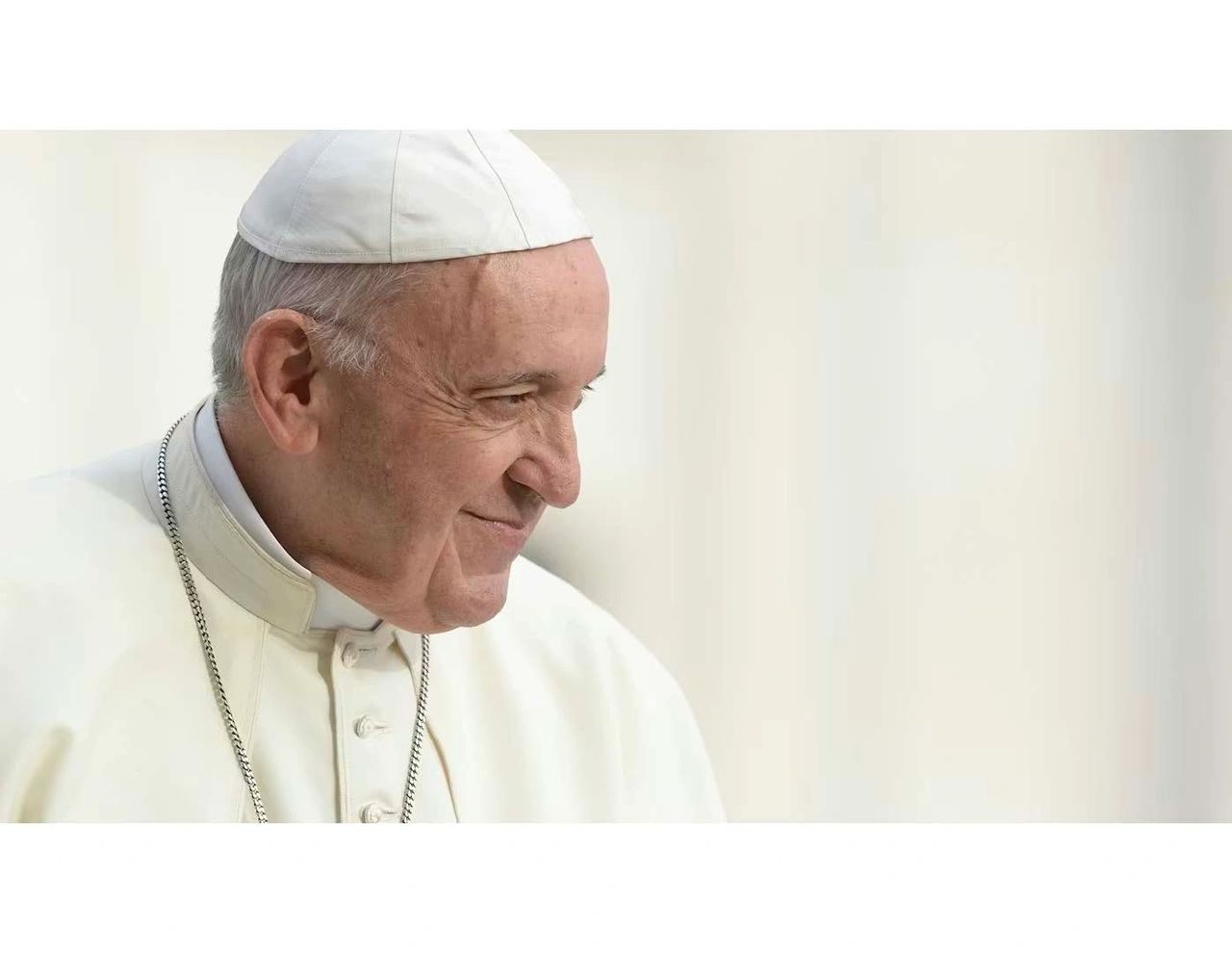
Pope Francis approved a change to the Italian translation of the Lord’s Prayer (Our Father), altering the phrase “lead us not into temptation” to “do not let us fall into temptation”. This change, finalized in 2019, aims to better reflect that God does not induce temptation, but rather helps believers, with similar changes occurring in French and Spanish.
* The Change: The Italian bishops’ conference, with approval from the Pope, changed the phrase from “non ci indurre in tentazione” (lead us not into temptation) to “non abbandonarci alla tentazione” (do not abandon us to temptation) or “do not let us fall into temptation”.
* Rationale: Pope Francis argued the original translation was poor, as it implied God causes temptation, stating, “It is not He that pushes me into temptation and then sees how I fall. A father does not do this”.
* Context: This change was made for the Italian translation and approved by the Vatican for that specific liturgical context. It is not a universal mandate for all languages, and major changes to the English version are not currently planned.
* Previous Changes: The French Catholic Church adopted a similar change, “do not let us enter into temptation,” in 2017.
* Impact: The change addresses theological concerns about God’s nature, distinguishing between being tempted (which the Pope says is Satan’s role) and falling into temptation.
1. The Core Change
The most significant update affects the line “lead us not into temptation”.
* The New Wording: In the approved Italian translation, the line now says “do not let us fall into temptation” (non abbandonarci alla tentazione).
* The Rationale: The Pope argued that the original wording suggested God might actively lead people into sin. He stated, “A father doesn’t do that… It’s Satan who leads us into temptation”.
* Other Changes: He also approved an update to the Gloria, changing “peace on Earth to people of good will” to “peace on Earth to people beloved by God”.
2. Who is Affected?
* Italian-speaking Catholics: The change was formally adopted by the Italian Episcopal Conference for use in their liturgy.
* French-speaking Catholics: A similar change (ne nous laisse pas entrer en tentation) was implemented in France in 2017.
* English-speaking Catholics: There are currently no plans to change the English translation. The Catholic Church in England and Wales and bishops in the U.S. have indicated they will stick with the traditional wording for now.
* Protestants and Anglicans: These denominations use their own separate translations and are not bound by the Pope’s decision.
3. Denominational Reactions
Most non-Catholic denominations have opted to keep the traditional wording, citing historical, linguistic, and liturgical reasons.
* Anglican and Episcopal Churches: The Church of England has no plans to adopt the change, though it already offers an alternative “contemporary” version in the Book of Common Prayer that says, “Do not bring us to the time of trial”.
* Lutheran Churches: Groups like the Lutheran Church—Missouri Synod (LCMS) continue to use “Lead us not into temptation.” Their theology, rooted in Luther’s Small Catechism, acknowledges that while God tempts no one, we pray for His protection against the “devil, the world, and our sinful nature”.
* Evangelical Protestants: Many leaders, such as Dr. R. Albert Mohler Jr., reacted strongly against the change, arguing that it is not within a religious leader’s authority to alter the “very words of Jesus” found in the New Testament.
Traditional English (Catholic)
This is the version officially used in the Roman Missal for English-speaking countries:
Our Father, who art in heaven,
hallowed be thy name;
thy kingdom come,
thy will be done
on earth as it is in heaven.
Give us this day our daily bread,
and forgive us our trespasses,
as we forgive those who trespass against us;
and lead us not into temptation,
but deliver us from evil.
Amen.
Further Reading: